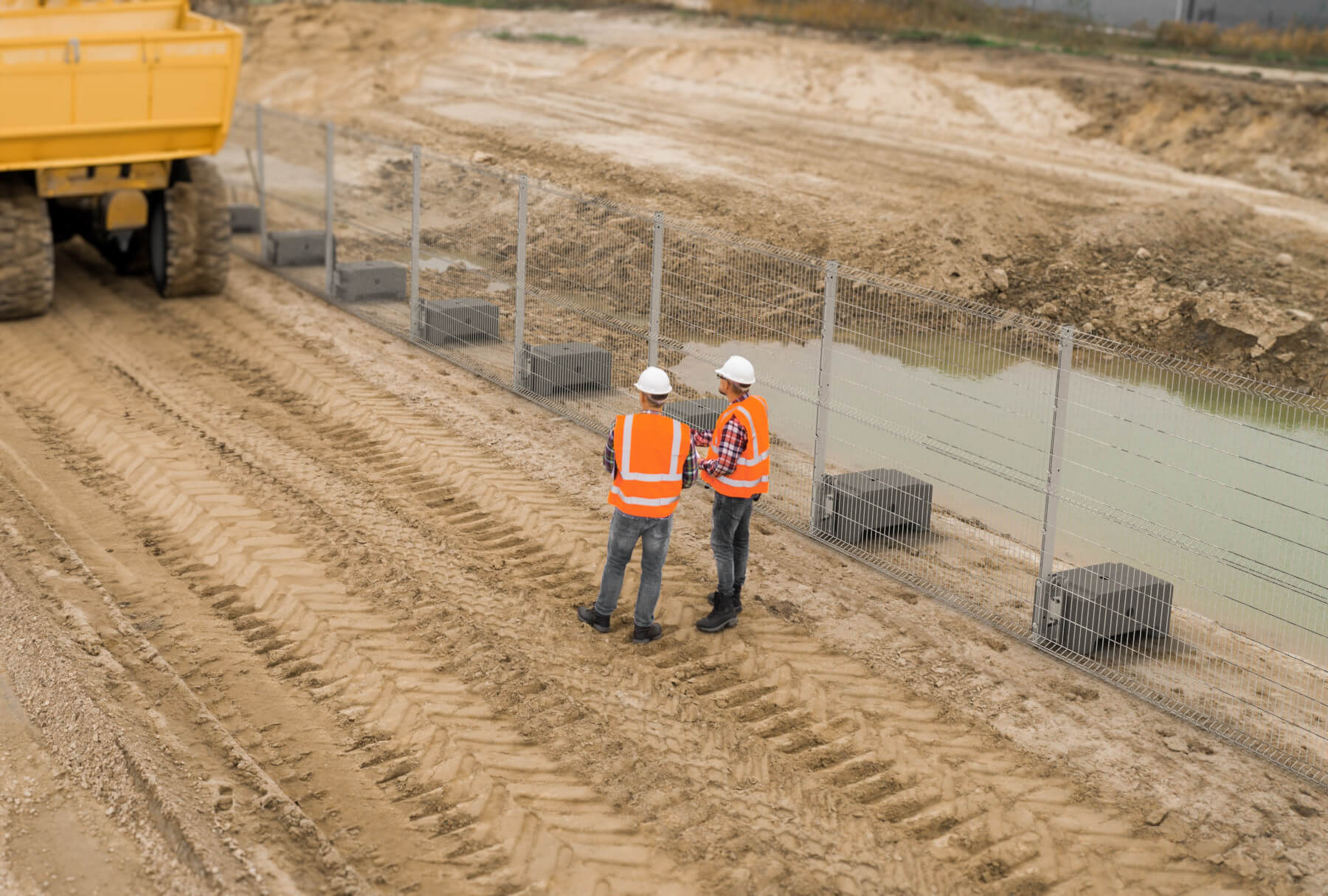
When it comes to construction site security, temporary fencing is one of the most critical elements to get right.
Crucial for protecting both your constructions site itself, your workforce and the general public, temporary fencing must be robust, durable, and adaptable to your project’s ever-evolving needs.
With increasing pressure on the construction industry to improve environmental credentials, selecting the appropriate fencing system has never been more important – or more challenging, especially in compliance with the Health and Safety at Work Act.
At Panthera Group, we pride ourselves on delivering environmentally conscious solutions that streamline construction site set-up and provide project managers with industry-leading services and products. Alongside our certified net-zero hoarding system EnviroHoard™, we are proud to offer EnviroFence™, the first site temporary fencing system in the UK to have been certified Net Zero Carbon.
In this guide, we’ll examine why proper site fencing is vital and explore the key features of our EnviroFence™ system.
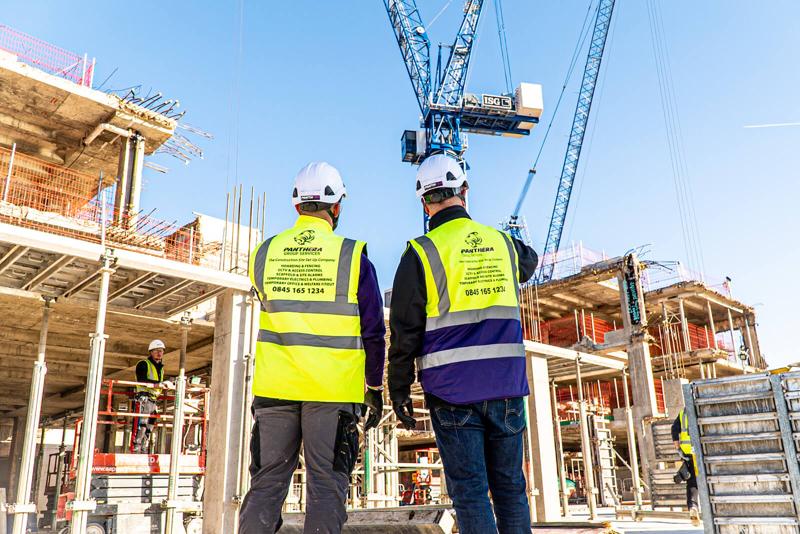
View our construction site fencing solutions
Why construction sites need temporary fencing
Construction sites by their very nature are hazardous places, with heavy machinery, equipment and raw materials posing numerous risks to members of the public.
Temporary construction fencing serves as a vital deterrent measure to prevent unauthorised access into your building site and protect the public. Fencing creates clear boundaries between construction work areas and pedestrian walkways, ensuring public safety in busy urban environments.
Additionally, given that vandalism and theft remain significant concerns for construction companies across the UK, temporary fencing is crucial in deterring against these crimes and reducing the risk of trespassers.
Temporary fencing also plays a crucial role in safeguarding valuable machinery and construction materials, while simultaneously providing compliance with occupational health and safety standards.
It’s clear that temporary fencing is a crucial element of any construction site – but how can construction site project managers ensure they are choosing a system that meets all of their needs?
What are the requirements for a temporary fencing system?
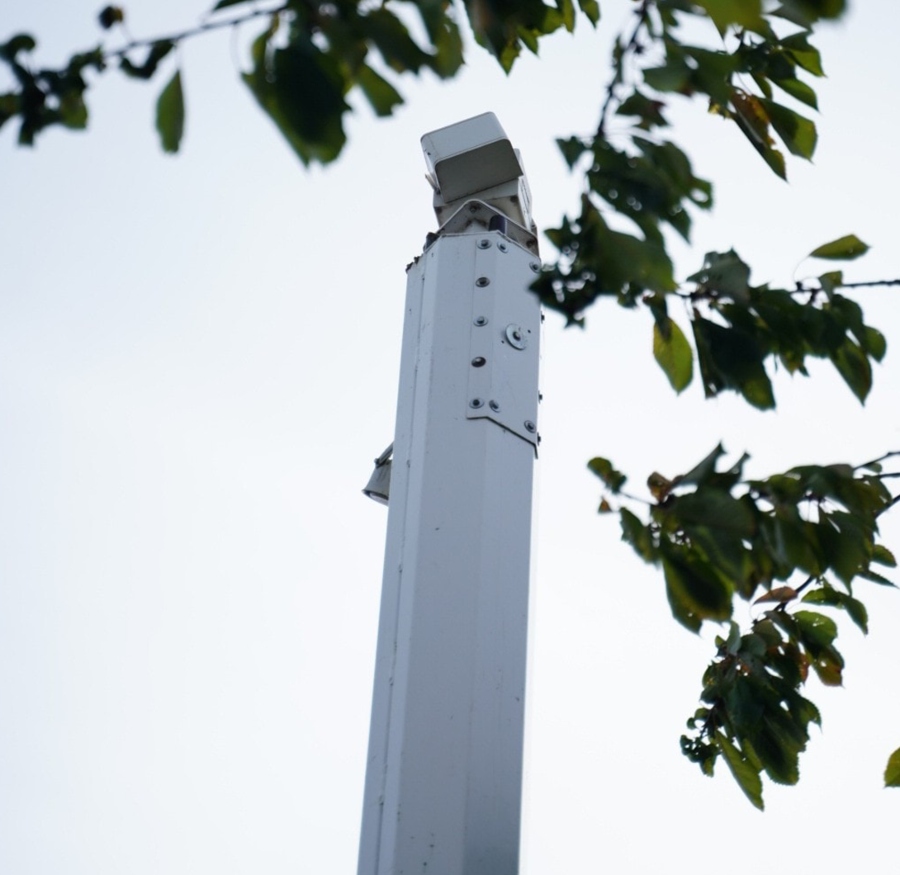
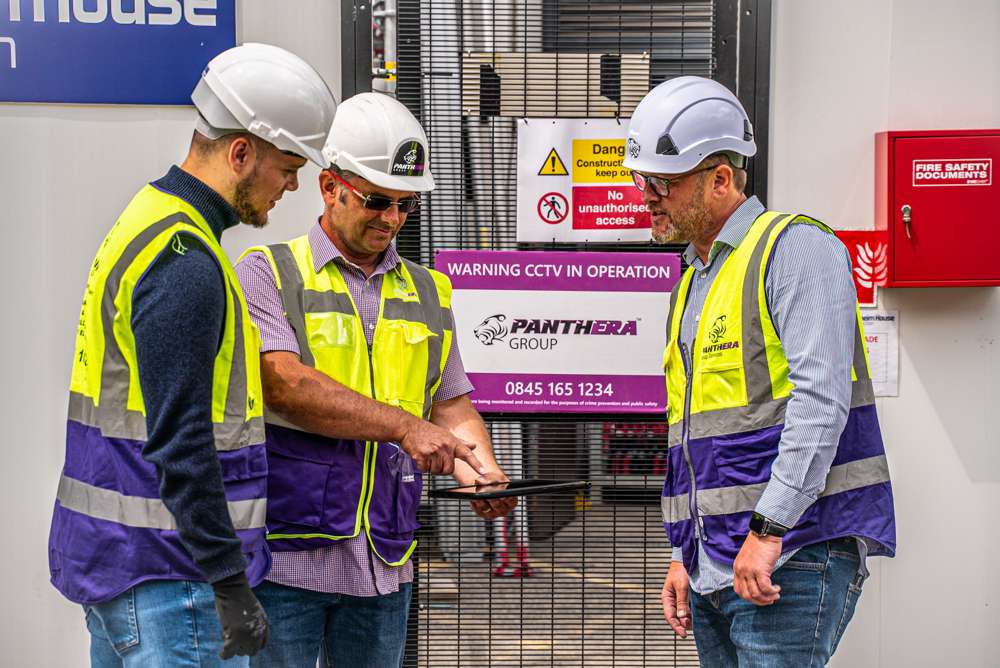
On construction sites, valuable equipment and materials need protection around the clock. The ideal secure temporary fencing solution must be capable of resisting strong winds and potential impacts while withstanding attempted breaches. Additionally, visibility is crucial, ensuring that the fencing is easily identifiable and people are aware of its presence. It should be compatible with security systems like CCTV, and include secure pedestrian gates and vehicle access points.
The growing importance of sustainable security fencing solutions
The construction industry is increasingly focused on reducing its environmental impact, with sustainability becoming a key consideration in all aspects of project planning.
Modern project managers are now seeking fencing solutions that minimise environmental impact and support project decarbonisation goals, yet many traditional temporary fencing systems contribute to construction waste and have significant carbon footprints.
Modern eco-conscious fencing solutions should offer reusable components and provide verifiable sustainability credentials to help meet environmental targets.
That’s where our EnviroFence™ system comes in!
Understanding legal requirements and compliance for construction site fencing
Ensuring compliance with legal requirements is essential for construction site fencing, as improper installations can lead to significant penalties. The term “temporary fencing regulations” encompasses various codes that dictate the type and structure of fencing systems around construction sites and the work activities undertaken within them. Key requirements often include the specification of site boundaries and pedestrian access points, while factors like visibility and durability are also crucial. Failure to meet these standards may result in project delays, legal action, and heightened risks for both the public and site workers.
Introducing EnviroFence™: revolutionary temporary site fencing
At Panthera Group, we are home to the UK’s first Net Zero Carbon temporary fencing system, EnviroFence™.
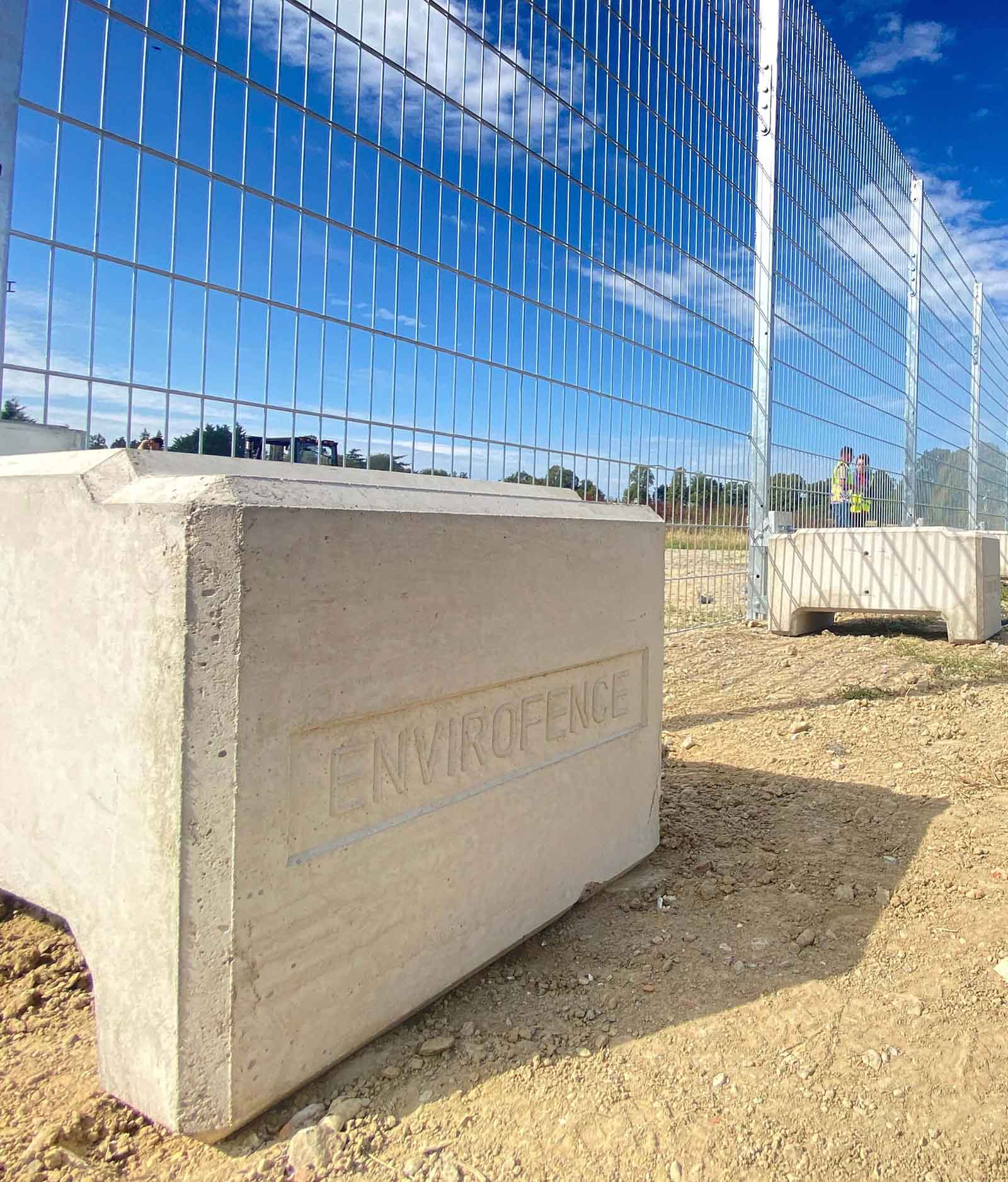
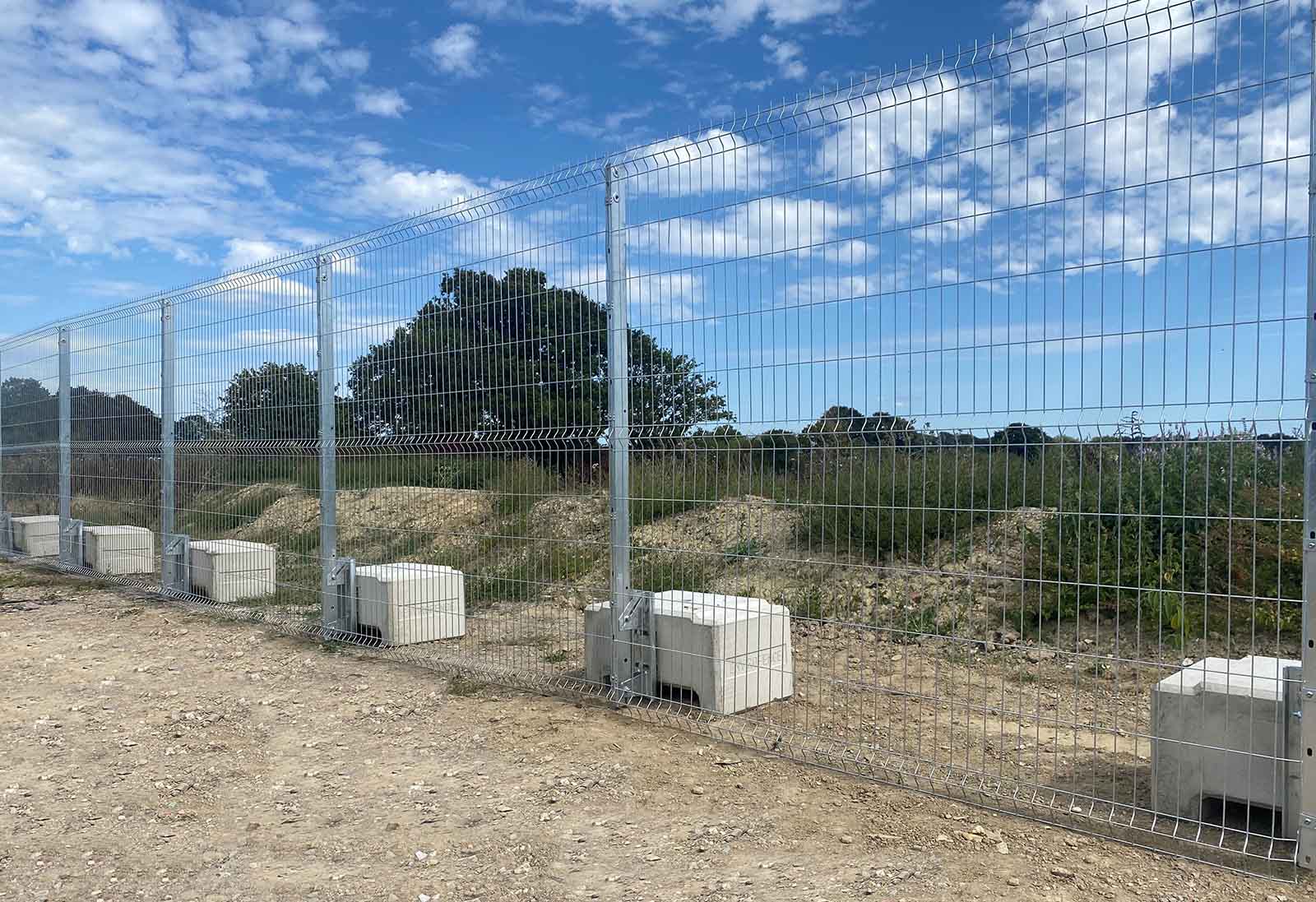
This system is available in heights of 2.4m, 3.0m, and 3.6m, and is engineered to permanent fence standards (BS 1722-14:2019). It’s specifically designed to resist both wind and personnel loading, with capabilities far exceeding traditional mesh fencing systems.
EnviroFence™ proves more robust than traditional ‘Heras’ style fencing and more economical than hoarding when solid barriers aren’t required, making it an ideal solution for modern construction projects while ensuring safety within the site boundary.
This system offers remarkable versatility through its modular design, and can be configured to achieve different security levels, from Category 2 (Boundary Fence) through to Category 4 (Higher Security Fence), making it suitable for a wide range of applications. Installation is available through various support options, including fixing directly to low-carbon 350kg EnviroBloK™ units, using weighted proprietary options, or securing with Spirafix™ ground screws.
What truly sets EnviroFence™ apart is its environmental credentials – as the UK’s first certified Net Zero Carbon temporary fencing system, it comes with detailed site-specific carbon embodiment reports to support project decarbonisation efforts. The system’s components are 100% reusable, creating a closed-loop system that significantly reduces waste.
Customisation and enhancement options for perimeter fencing
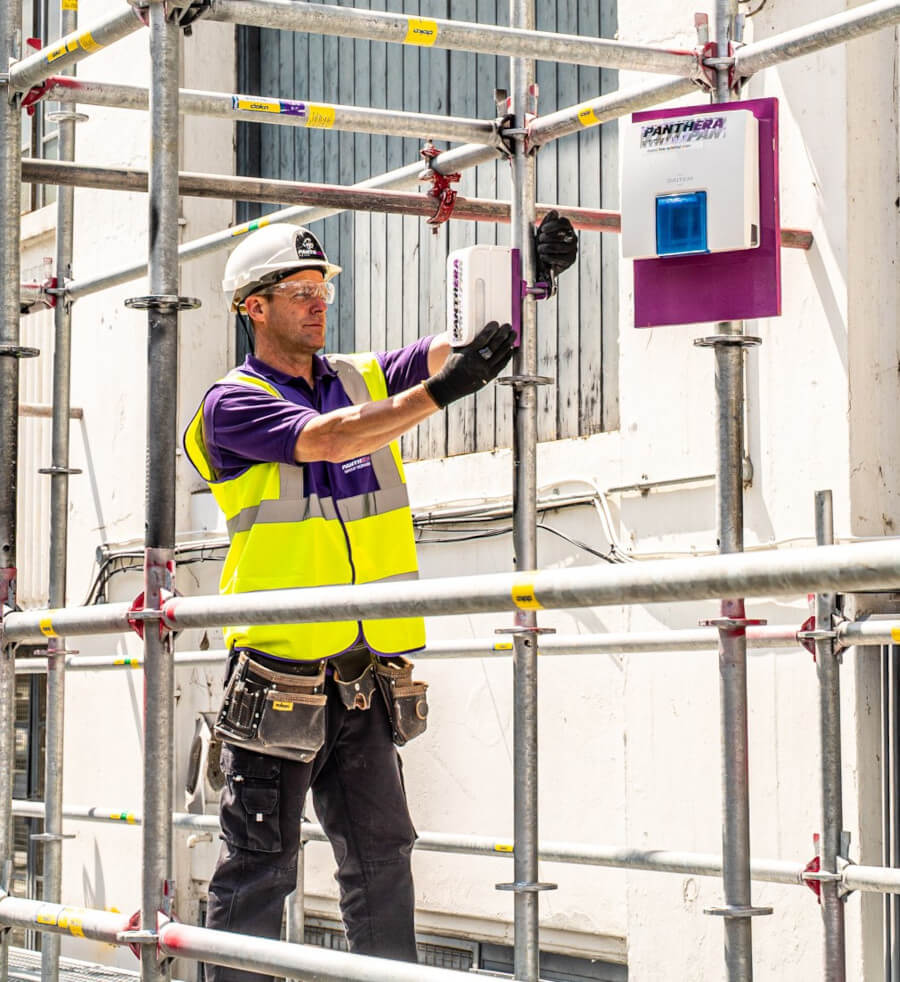
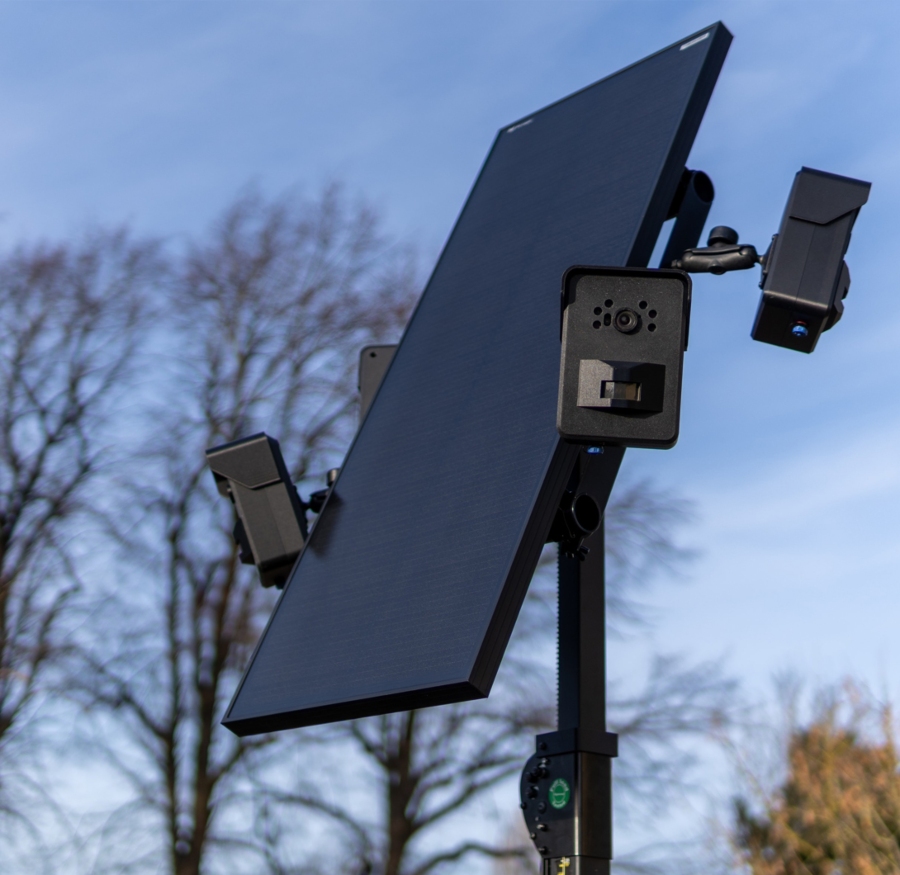
EnviroFence™ can be adapted to meet specific site requirements through various enhancements, making it one of the most versatile fencing systems available. The system offers comprehensive lighting and power solutions, including 110v LED lighting options, mains-free lighting solutions, and cable management systems for site electrics, along with appropriate signage for enhanced visibility.
Security features include single and double roller uPVC anti-climb systems, aluminium spiked anti-climb rollers, E-Pulse low voltage electric fence options.
For access control, the system provides single and double pedestrian gates, along with vehicle gates featuring 4m to 8m openings to accommodate various site vehicle requirements.
This exceptional versatility makes it suitable for various applications, from standard construction sites to high-security infrastructure projects requiring maximum protection.
Cost considerations for temporary fencing solutions
Financial aspects significantly influence the selection of temporary fencing solutions for construction sites. An efficient fencing system must balance cost-effectiveness with quality to deter unauthorised access and potential hazards. Evaluating options such as chain link fences or robust mesh panels against budget constraints ensures compliance with temporary fencing regulations and legal compliance. Additionally, factors like installation and maintenance costs, alongside the project scope, play a crucial role in decision-making. Strategically investing in durable materials can mitigate future expenses related to theft and vandalism, ensuring site security.
Practical challenges and site-specific fencing adaptations
Implementing effective fencing solutions often involves navigating a variety of practical challenges, particularly given the unique nature of each construction site and its associated construction activities. Site-specific adaptations may include using mesh fencing for increased visibility or incorporating pedestrian access points that comply with local authority regulations. Weather conditions, like high winds or heavy rain, often necessitate using ballast blocks or concrete blocks for stability. Addressing these factors through a thorough risk assessment ensures compliance and enhances overall site security while preventing potential hazards and unauthorized access.
Securing sites in unique environments (e.g. hills, busy areas, adverse weather)
Evaluating the costs associated with temporary fencing solutions is essential for construction projects. Budget considerations include the type of fencing materials—such as durable chain link or mesh fencing panels—required for effective perimeter security. Additionally, the choice of vehicle gates and pedestrian access points can influence overall expenses. A thorough risk assessment should also account for potential hazards that may lead to project delays or legal action. Balancing quality and affordability ensures compliance with safety management standards while protecting valuable equipment and site activities.
Fencing solutions for events, historic sites, and roadworks
Cost is a pivotal factor when selecting temporary fencing solutions for construction sites. Budget constraints often dictate choices among various types of fencing, including mesh and chain link options. Investing in high-quality materials that meet minimum height recommendations of 2 metres enhances durability and security, decreasing the likelihood of theft or vandalism. Additionally, thorough risk assessments can identify potential hazards, guiding the decision-making process around the level of security needed to protect both the public and valuable equipment. Effective financial planning ensures compliance with local regulations while maintaining a safe environment.
Construction site fencing: contact Panthera Group today
EnviroFence™ offers the perfect balance of security, sustainability, and compliance with construction site fence requirements, including the essential aspect of safety management. Whether you’re planning a new project or looking to upgrade existing site security, our expert team can help you select the best option for your specific needs and circumstances.
Contact us today to discuss your construction site fencing requirements: Complete our online form, call us on 0345 165 1234 or email us at enquiries@pantheragroup.com
The importance of ongoing inspection and maintenance for site fencing
Regular inspections and maintenance of temporary fencing systems are essential for ensuring site security and upholding safety standards. A well-maintained perimeter not only deters unauthorized access but also prevents potential hazards that could disrupt construction activities. These inspections should evaluate the structural integrity of fence panels, the condition of vehicle and pedestrian access points, and the overall effectiveness of signage. By identifying potential hazards and implementing thorough risk assessments, construction companies can safeguard valuable equipment while minimizing the risk of legal action due to non-compliance with regulations.